Ear Anomalies Program
Call today to schedule an appointment with one of our pediatric specialists.
Plastic Surgery Referrals
We know any malformation or injury can have lasting physical and emotional effects on a child. Many conditions – even the most complex – can be treated with plastic surgery, allowing your child to enjoy a normal, healthy future. At CHOC, we offer one of the only dedicated pediatric ear anomalies program in Orange County.
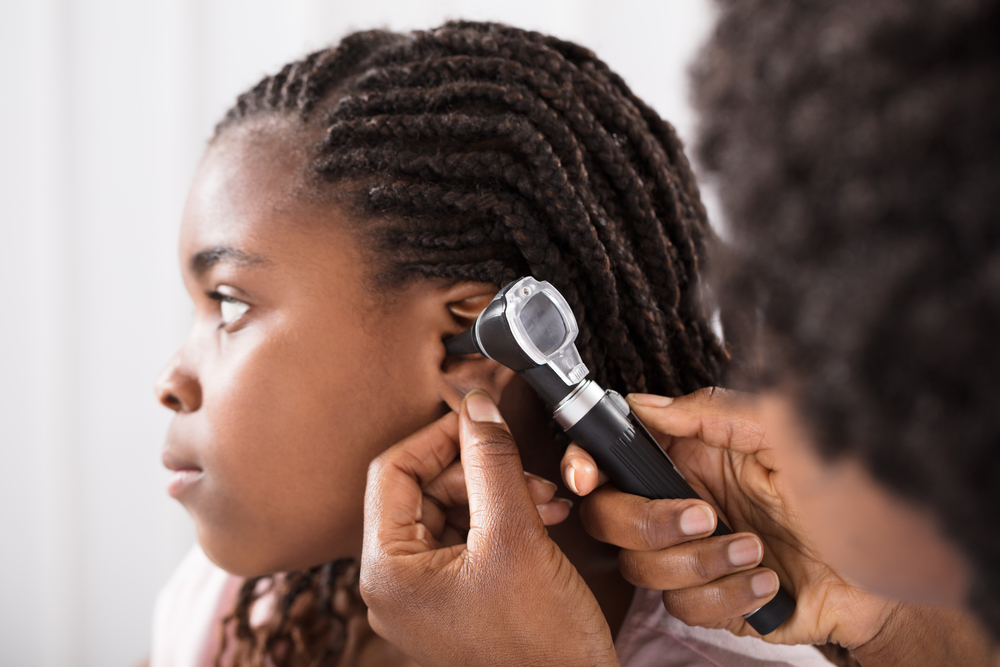
The CHOC Ear Anomalies Program provides specialized care for children with congenital, acquired, and traumatic anomalies of the external ear. The program is coordinated through the Division of Plastic Surgery and delivers care within a multidisciplinary pediatric environment. Treatment focuses on early evaluation, non-surgical neonatal ear molding when appropriate, and reconstructive procedures when indicated. Care plans are individualized and designed to support children from infancy through adolescence.
Why choose CHOC?
Ear anomalies are common and can affect appearance, confidence, and psychosocial development. Early evaluation allows families to understand time-sensitive treatment options and long-term care pathways. The CHOC Ear Anomalies Program was created to provide coordinated, expert care across childhood. We want the best for your child.
We recognize that research is a major driver of clinical innovation. Together with the Center for Tissue Engineering, a laboratory within the Department of Plastic Surgery at UC Irvine, new and innovative ways of treating microtia, anotia, and other congenital and traumatic ear differences are currently underway.
Ear Conditions we Treat
When we describe ear anomalies, we will often place them into two different categories, deformities and malformations. With deformities, the ear may be misshapen or deformed, but all of the key elements of the ear are present. With malformations, the ear may be smaller, missing key elements, contain excess tissue, or present with a combination of the three. The best treatment option typically depends on the type of anomaly.
Prominent (Protruding) Ears
Prominent ears project outward due to underdevelopment of normal ear folds. They do not affect hearing but may impact appearance. Early neonatal ear molding may be effective in infants; surgery is an option for older children.
Constricted (Lop or Cup) Ear
A constricted ear has a folded or tightened upper rim, giving the ear a cupped appearance. Severity varies. Mild cases may respond to neonatal ear molding, while more severe cases may require surgery.
Stahl’s Ear
Stahl’s ear is characterized by an extra cartilage fold that alters ear shape. Early neonatal ear molding is often effective when identified shortly after birth.
Microtia
Microtia is a congenital condition in which the external ear is small, partially formed, or absent. Severity varies and may be associated with hearing differences. Treatment options are individualized.
Anotia
Anotia refers to the complete absence of the external ear. It is rare and managed with individualized reconstructive or prosthetic planning.
Accessory Ear Tags and Pits
Accessory ear tags or pits are extra tissue or small openings near the ear. They are usually benign and are typically treated surgically.
Earlobe Malformations
Earlobe malformations include clefts or duplicated earlobes. These may occur alone or with other ear anomalies and are corrected surgically.
Acquired and Traumatic Ear Conditions
These include ear changes caused by injury, burns, piercing-related damage, or medical conditions. Reconstruction depends on the type and extent of injury.
Ear Keloids
Ear keloids are thick, raised scars that develop after piercing or trauma. Treatment may involve surgery combined with scar management therapies.
Treatment Options for Ear Anomalies
Neonatal Ear Molding (Non-Surgical)
Neonatal ear molding is offered to eligible newborns using the EarWell system and custom molding techniques. This treatment is painless, non-invasive, and time-sensitive. It is a standalone option and is not part of a staged surgical process.
Neonatal ear molding is a non‑surgical treatment used to correct certain ear deformities in newborns. Many babies are born with ears that appear folded, constricted, or irregular in shape. These differences involve the cartilage of the outer ear.
Ear molding works by gently reshaping the ear cartilage using small molding devices placed on the ear. Because newborn ear cartilage is soft during the first few weeks to months of life, it can often be guided into a more natural shape without surgery.
Treatment typically involves placing a molding device that stays in position continuously and is adjusted periodically by the physician. Over several weeks, the cartilage gradually adopts the improved contour.
At CHOC, the Ear Anomalies Program and plastic surgery have a long history of providing ear molding for our patients.
Ear molding is appropriate for many infants with congenital ear deformities when the ear structure is present but the shape is abnormal.
Conditions that often respond well include:
• Lop ear
• Constricted ear
• Lidded ear
• Cup ear
• Stahl’s ear
• Cryptotia
Timing is the most important factor in successful ear molding treatment.
During the first weeks after birth, maternal hormones make the newborn ear cartilage especially soft and moldable. This natural window allows the ear to be reshaped gradually with gentle external pressure.
Best time to begin treatment:
• Ideally within the first few weeks of life, but some children respond even after a few months. This depends on the type of ear that is being molded.
Early evaluation allows physicians to begin treatment during the brief period when the ear cartilage is most flexible. When treatment starts early, ear molding has a high likelihood of improving ear shape without surgery.
As infants grow, cartilage stiffens and becomes less responsive to molding. In those situations, correction later in childhood may require surgery. Early consultation therefore improves outcomes and may help avoid future procedures.
Ear molding is performed in the clinic and does not require anesthesia.
The physician places the molding system on the ear to guide cartilage into a more natural position. The device remains in place while the ear gradually reshapes.
Typical course includes:
- Initial consultation and placement
- Follow‑up visits every 1–2 weeks
- Total treatment duration usually 4-6 weeks
- Infants generally tolerate ear molding very well and can continue normal activities including sleeping and feeding.
The EarWell® System
The EarWell® Infant Ear Correction System is one of the most commonly used devices for neonatal ear molding. At the CHOC Ear Anomalies Program, plastic surgery has extensive experience with the EarWell® system.
The system typically includes:
- A soft cradle placed around the ear
- Small shaping components that guide the cartilage
- Medical adhesive to hold the device in position
- Once applied, the system stays in place continuously and is adjusted during follow‑up visits. Treatment typically lasts 2–6 weeks depending on the deformity and the age at which therapy begins.
Surgical Ear Reconstruction:
Surgery may be recommended for ear malformations or persistent deformities. Options include autologous cartilage reconstruction, implant-based reconstruction in select cases, otoplasty, and revision procedures. Some patients may require advanced reconstructive techniques depending on anatomy and prior treatment.
At the CHOC Ear Anomalies Program, we offer Medpor or Supor-based reconstruction, autologous-based reconstruction, which uses one’s own rib cartilage, and Extearna-based reconstruction, using donor rib cartilage. To determine which treatment option is best for your child, please contact the Ear Anomalies Program to learn more.
Why is it important to treat ear anomalies?
The term “ear anomaly” refers to any differences in the shape, size, location, or presence of the outer ear. It is estimated that ear anomalies of the outer ear and canal occur in as many as 1 out of 2000 births every year, making them a relatively common birth-related difference. There are many different types of ear anomalies and severity of the anomaly can vary from child to child. While such ear differences are not life-threatening, the consequences of having a small, misshapen, or “different” ear in a child can negatively impact their psychosocial health. At CHOC, this important aspect of care is taken into consideration when discussing treatment options for children with ear differences. Sometimes ear anomalies are associated with other health issues, such as kidney function. CHOC has access to leading experts in pediatric nephrology, urology, and many other highly specialized providers.
Appointments and Locations
Families can expect timely evaluation, clear education about treatment options, coordinated care across specialties, and long-term follow-up as your child grows.
Clinic Phone: (714) 509-4878
Alternate Appointment Phone: (888) 483-5670

CHOC Clinic – Specialty Care
Meet the Team
Miles J. Pfaff, MD, MHS is a Children’s Hospital of Orange County plastic and reconstructive surgeon and assistant professor within the Department of Plastic Surgery at UC Irvine. Dr. Pfaff’s practice is diverse and includes the treatment of craniofacial differences (including cleft lip and palate, craniosynostosis, and ear anomalies), oncologic defects affecting the craniofacial region, and facial trauma. Dr. Pfaff is the director of the Ear Anomalies Program and has a particular interest in microtia and external ear reconstruction. Dr. Pfaff also provides neonatal ear molding using custom ear splints and the EarWell device.